
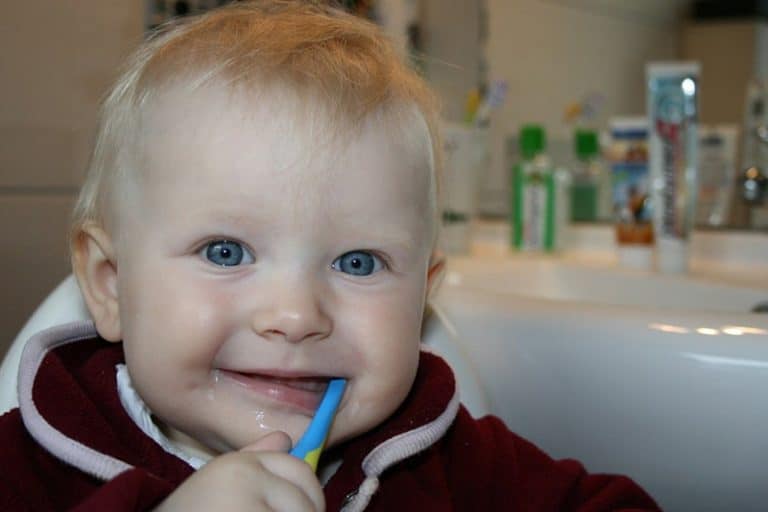
That first dental appointment can feel like a big milestone, for you and your little one. Maybe you’ve heard horror stories from other parents, or perhaps you’re carrying your own dental anxiety and worried about passing it along. Here’s the good news: with the right preparation, your child’s first dentist visit doesn’t have to involve tears, tantrums, or white-knuckle gripping of the exam chair.
We’ve seen firsthand how early dental experiences shape a child’s attitude toward oral care for years to come. A positive first visit can set the foundation for a lifetime of healthy habits, while a traumatic one might create fear that lingers well into adulthood. In fact, an estimated 40 million Americans avoid dental care because of fear and anxiety, and much of that begins in childhood.
The key is preparation, the right mindset, and choosing a dental team that genuinely understands kids. In this guide, we’ll walk you through everything from timing that first appointment to building lasting positive dental habits. Let’s make sure your child’s introduction to the dentist is one they’ll remember for all the right reasons.
When to Schedule Your Child’s First Dental Appointment
Timing matters more than most parents realize. The American Academy of Pediatric Dentistry recommends scheduling that first visit by your child’s first birthday or within six months after their first tooth appears, whichever comes first. Yes, that seems early. But there’s solid reasoning behind it.
Those tiny baby teeth might seem temporary, but they’re doing important work. They hold space for permanent teeth, help with speech development, and allow your child to chew properly. Early visits let us catch potential issues before they become bigger problems, things like early cavities, bite alignment concerns, or even habits like thumb-sucking that could affect tooth development down the road.
Plus, there’s a practical benefit many parents overlook: a one-year-old is generally easier to work with than a three-year-old who’s already developed opinions (and fears) about new experiences. At around 12 months, babies are naturally curious and haven’t learned to be anxious about dental settings yet. They’re essentially getting a “happy visit” that introduces them to the sights, sounds, and sensations of a dental office in the most low-stakes way possible.
If your child is already past this recommended window, don’t panic, and definitely don’t skip the appointment out of guilt. The second-best time to schedule is now. We’d rather see a nervous three-year-old than wait until there’s an actual problem that requires treatment.
Preparing Your Child at Home Before the Visit
Preparation is where you have the most control, and honestly, where parents can make or break the experience. Kids pick up on our energy, so your own attitude matters as much as the specific activities you do together.
Use Positive Language and Avoid Scary Words
The words we choose carry weight. Phrases like “it won’t hurt” or “don’t be scared” actually plant the idea that there’s something to fear in the first place. Your child wasn’t thinking about pain until you mentioned it.
Instead, frame the visit around curiosity and care. Talk about how the dentist will “count your teeth” or “take pictures of your smile.” Use words like “clean,” “check,” and “healthy” rather than “drill,” “shot,” or “cavity.” If your child asks directly whether something will hurt, you can honestly say that the dentist is very gentle and will make sure they’re comfortable.
Also, and this is important, avoid sharing your own negative dental experiences. We know it’s tempting to bond over shared anxieties, but save those stories for when they’re adults. Right now, you’re building their perception from scratch.
Read Books and Watch Videos About the Dentist
Storybooks are fantastic tools for introducing new concepts to young children. Titles like “The Berenstain Bears Visit the Dentist” or “Peppa Pig: Dentist Trip” show familiar characters having positive experiences in the dental chair. Your local library probably has several options.
There are also age-appropriate YouTube videos specifically designed to prepare kids for dental visits. Look for ones that show real offices with friendly staff, walking through each step of a typical checkup. When children know what to expect, the big chair that goes up and down, the bright light, the little mirror, the unfamiliar becomes familiar.
Watch these together and pause to answer questions. Let your child lead the conversation about what interests or concerns them.
Play Pretend Dentist Games Together
Role-play is one of the most effective preparation tools we’ve encountered. Let your child “examine” your teeth with a toothbrush, then switch roles. Count their teeth out loud, pretend to polish them, and praise them for being such a good patient.
You can even set up a pretend dental office with stuffed animals as patients. This gives your child a sense of control over the experience and helps them process what’s going to happen in a safe, playful context. Some kids want to bring their favorite stuffed animal to the actual appointment, and that’s perfectly fine. Whatever helps them feel secure.
Choosing a Pediatric Dentist
Not all dental offices are created equal when it comes to treating children. Pediatric dentists complete additional training specifically focused on child development, behavior management, and treating young patients. They understand that a two-year-old requires a completely different approach than an adult, or even a teenager.
Look for an office designed with kids in mind. Bright colors, toys in the waiting room, and kid-sized furniture signal that children are a priority here, not an afterthought. Some practices even have TVs on the ceiling so kids can watch cartoons during their exam.
Staff attitude matters enormously. When you call to schedule, pay attention to how they interact with you. Are they patient with your questions? Do they seem genuinely enthusiastic about working with children? The front desk experience often reflects the overall office culture.
We also recommend asking about their approach to anxious children. A good pediatric practice will have strategies for managing fear, from distraction techniques to the option of sedation dentistry for kids who need it. Knowing these options exist can ease your own anxiety about the appointment.
If possible, schedule a brief meet-and-greet before the actual exam. Many offices welcome this. It lets your child see the space and meet the team without any pressure, which can significantly reduce anxiety on the day of the real appointment.
What to Expect During the First Visit
Knowing what’s coming helps both you and your child feel prepared. First visits are intentionally gentle and low-key, think of it as an introduction rather than a full dental workup.
Typically, the appointment will include:
- A gentle examination of your child’s teeth, gums, jaw, and bite
- A cleaning (if your child cooperates, no pressure if they don’t)
- A discussion about teething, thumb-sucking, pacifier use, and oral hygiene at home
- Fluoride treatment in some cases, depending on age and risk factors
For very young children, the exam might happen with them sitting in your lap rather than alone in the dental chair. This “lap-to-lap” technique keeps them feeling secure while allowing the dentist to see what they need to see.
Don’t expect perfection. Some kids sail through their first visit: others cry the entire time. Both outcomes are completely normal, and neither predicts how future appointments will go. The goal isn’t a perfect exam, it’s creating a foundation for positive associations.
The dentist will also talk with you about caring for your child’s teeth at home, including brushing techniques, fluoride toothpaste recommendations, and dietary factors that affect oral health. Bring your questions. This is a great opportunity to get personalized guidance.
Most first visits last about 30 to 45 minutes, though the actual exam portion is typically much shorter. Plan some buffer time in case your child needs extra warming-up.
Tips for Staying Calm on Appointment Day
The morning of the appointment, keep things as normal as possible. A rushed, stressful morning sets the wrong tone. Wake up with plenty of time, have a regular breakfast, and treat the dentist visit as just another part of the day, not a major event that requires special preparation.
Schedule strategically. Most children do better in the morning when they’re well-rested and haven’t had time to build up anticipatory anxiety. Avoid scheduling during naptime or when your child is typically cranky. A tired, hungry kid is not going to be your best ambassador for positive dental experiences.
Bring comfort items if they help, a favorite toy, blanket, or stuffed animal can provide emotional support. Some offices let children hold these items during the exam.
Here’s a tip that surprises many parents: stay calm yourself. Children are incredibly perceptive. If you’re anxious, they’ll sense it, even if you think you’re hiding it well. Take some deep breaths in the car. Remind yourself that this is genuinely not a big deal. Your confidence is contagious.
During the appointment, follow the dental team’s lead. They’re trained in working with children and know how to manage different personalities and anxiety levels. If they suggest you step back or let them take over, trust their expertise. Sometimes children actually do better without a parent hovering nearby.
Finally, have a small reward planned for afterward, not a sugary treat (that would send the wrong message), but something like a trip to the park, a new book, or special one-on-one time. This creates a positive association: dentist visits lead to good things.
Building Positive Dental Habits After the Visit
The appointment is just one piece of the puzzle. What happens between visits matters just as much, if not more, for your child’s long-term oral health and attitude toward dental care.
Establish a consistent brushing routine if you haven’t already. For children under three, use a rice-grain-sized smear of fluoride toothpaste. For kids three and older, a pea-sized amount works. Brush twice a day, and make it part of the non-negotiable routine, just like putting on pajamas before bed.
Make brushing fun rather than a chore. Electric toothbrushes with favorite characters, two-minute timer apps with music, or brushing alongside a sibling can transform a battle into a bonding moment. Some parents let kids “go first” and then do a “grown-up check” afterward to ensure all surfaces are covered.
Talk positively about teeth and dental care in everyday life. Point out characters brushing their teeth in shows. Mention how good your mouth feels after your own dental cleaning. Normalize the idea that taking care of teeth is just something everyone does, like washing hands or eating vegetables.
Schedule the next appointment before leaving the office. Most children should see the dentist every six months, though your pediatric dentist might recommend a different schedule based on your child’s individual needs. Having the next visit on the calendar keeps dental care on your radar and maintains momentum from the positive first experience.
If the first visit didn’t go perfectly, don’t dwell on it. Children have short memories, and the next appointment is a fresh start. Keep talking about the dentist positively, continue the at-home preparation activities, and trust that things often improve with familiarity.
Conclusion
Your child’s first dentist visit is an investment in their future, not just their dental health, but their relationship with healthcare in general. The habits and attitudes formed now will follow them for decades.
The formula is pretty straightforward: start early, prepare thoughtfully, choose the right dental team, and keep your own anxiety in check. But perhaps the most important thing to remember is this: perfection isn’t the goal. A few tears don’t equal failure. What matters is that you showed up, you tried, and you’re building a foundation for positive experiences to come.
We encourage you to approach this milestone with optimism rather than dread. With the right preparation and a child-friendly dental practice, that first visit can be the beginning of a lifetime of healthy smiles. And honestly? It’s often the parents who are more nervous than the kids. Take a breath. You’ve got this, and so does your little one.