Getting kids to brush their teeth can feel like negotiating a peace treaty some nights. We’ve all been there, standing in the bathroom, toothbrush in hand, while a small person insists they already brushed (they didn’t). But here’s the thing: the dental habits we help our children develop now will shape their oral health for decades to come. Teaching kids good dental habits doesn’t have to be a daily battle. With the right approach, a little creativity, and some consistency, we can set our kids up for a lifetime of healthy smiles. In this guide, we’ll walk through practical tips for making dental care something your child actually embraces rather than dreads.
Why Early Dental Habits Matter for Lifelong Oral Health
The habits we establish in childhood tend to stick. And when it comes to dental care, starting early isn’t just helpful, it’s essential. Baby teeth might be temporary, but the routines built around caring for them are not.
Children who learn proper brushing and flossing techniques early are far more likely to maintain those habits into adulthood. Poor oral hygiene in childhood can lead to cavities, gum disease, and even affect the development of permanent teeth. Decay in baby teeth can damage the adult teeth waiting beneath the gums, creating problems that follow kids into their teenage years and beyond.
There’s also the psychological component to consider. Kids who have painful dental experiences, think cavities, extractions, or emergency visits, often develop anxiety around dental care. An estimated 40 million Americans avoid dental care because of fear and anxiety, and many of those fears trace back to childhood experiences. By teaching good habits early, we can help our children avoid those negative encounters and build a positive relationship with dental health from the start.
Simply put, the investment we make now in teaching our kids to care for their teeth pays dividends for the rest of their lives.
When to Start Teaching Your Child About Dental Care
Many parents wonder when they should actually begin focusing on dental hygiene. The answer? Earlier than you might think.
Dental care should start before the first tooth even appears. Wiping a baby’s gums with a soft, damp cloth after feedings helps remove bacteria and gets them accustomed to having their mouth cleaned. Once that first tooth pokes through, usually around six months, it’s time to introduce a soft-bristled infant toothbrush.
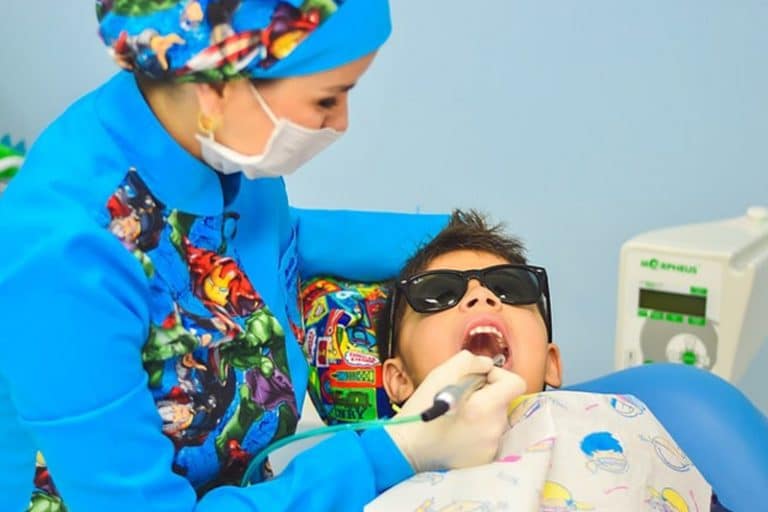
By age one, the American Dental Association recommends scheduling that first dental visit. This early appointment helps identify any potential issues and establishes a dental home for your child. It also normalizes the experience of visiting the dentist, making future appointments less intimidating.
As children grow, so does their involvement. Toddlers can start “helping” with brushing, even if we’re doing most of the actual work. By age three, kids can begin learning proper technique with close supervision. Most children don’t have the manual dexterity to brush effectively on their own until around age six or seven, so patience is key.
The bottom line: start introducing dental care concepts as early as possible, and gradually increase your child’s independence as their skills develop.
Make Brushing and Flossing Fun
Let’s be honest, brushing teeth isn’t exactly thrilling for most kids. But it doesn’t have to feel like a chore, either. A little creativity goes a long way in turning dental hygiene into something children look forward to.
Music is a fantastic tool. Two minutes of brushing feels like an eternity to a four-year-old, but playing their favorite song makes time fly. There are plenty of apps designed specifically for kids that feature timers, games, and rewards for completing brushing sessions. Some electric toothbrushes even connect to apps with interactive characters.
Let your child pick out their own toothbrush. Whether it’s covered in dinosaurs, superheroes, or sparkly unicorns, a toothbrush they chose themselves feels more exciting to use. The same goes for toothpaste flavors, kid-friendly options like bubblegum or strawberry are way more appealing than plain mint.
Flossing can be tricky, but floss picks designed for small hands make the process easier. We can turn it into a game: “Let’s find the sugar bugs hiding between your teeth.” Making it silly takes the pressure off and keeps kids engaged.
Sticker charts and small rewards for consistent brushing work wonders too. The goal is to create positive associations with dental care that will carry into adulthood.
Lead by Example and Brush Together
Kids are natural imitators. They watch everything we do, and dental hygiene is no exception. If we want our children to value taking care of their teeth, we need to show them that we value it too.
Brushing together as a family turns an individual task into shared time. When children see their parents brushing and flossing daily, it reinforces that this is just what people do. It’s normal. It’s expected. And honestly, it’s kind of nice.
During these joint brushing sessions, we can model proper technique. Show them how to angle the brush toward the gum line, how to brush in gentle circles, how to get those hard-to-reach back molars. Kids learn better by watching than by listening to instructions.
This is also a chance to talk about why we brush. Explain that we’re removing food and “sugar bugs” that can hurt our teeth. Keep explanations age-appropriate, but don’t shy away from the basics. Understanding the purpose behind the routine helps kids buy into it.
And here’s a bonus: making brushing a family activity means we’re less likely to skip it ourselves on busy nights. Everyone benefits.
Create a Consistent Daily Routine
Consistency is the backbone of any habit. When brushing and flossing happen at the same times every day, they become automatic, just another part of the routine, like putting on pajamas or reading a bedtime story.
We recommend anchoring dental care to existing routines. Brushing happens right after breakfast and right before bed. No negotiation, no exceptions. When kids know what to expect, there’s less resistance. The routine becomes non-negotiable in the best way.
Visual schedules can help younger children understand and follow the routine. A simple chart showing the morning and evening steps, wake up, eat breakfast, brush teeth, get dressed, provides structure they can follow independently.
It’s also important to protect bedtime brushing. Once teeth are brushed, no more food or drinks (except water). This prevents sugars from sitting on teeth overnight, which is prime time for cavity formation.
Life gets hectic, and routines slip sometimes. That’s okay. What matters is getting back on track quickly. If we treat dental care as optional, kids will too. But if we treat it as essential, like eating or sleeping, it becomes woven into the fabric of their day.
Choose the Right Dental Products for Kids
Not all dental products are created equal, and what works for adults isn’t always appropriate for children. Selecting the right tools makes brushing more effective and more comfortable.
For toothbrushes, look for soft bristles and a small head designed for little mouths. Electric toothbrushes can be great for kids, they do some of the work and often come with fun features that encourage longer brushing. Just make sure the brush head is appropriately sized.
Toothpaste matters too. For children under three, use just a smear of fluoride toothpaste, about the size of a grain of rice. From ages three to six, increase to a pea-sized amount. Fluoride is crucial for strengthening enamel and preventing cavities, but we want to minimize swallowing, which is why the amounts are small.
For flossing, kid-friendly floss picks are easier for small hands to maneuver than traditional string floss. Water flossers can also be a fun alternative for older kids who struggle with manual flossing.
Regular dental checkups remain essential. A family dentist can monitor your child‘s development, catch problems early, and provide professional cleanings that remove buildup home brushing might miss. Building a relationship with a dental care provider makes visits feel routine rather than scary, setting your child up for a lifetime of healthy dental habits.
Conclusion
Teaching kids good dental habits takes patience, creativity, and a whole lot of consistency. But the effort we put in now, making brushing fun, leading by example, and establishing solid routines, pays off in healthier smiles and fewer dental problems down the road. Start early, stay consistent, and remember: we’re not just teaching our kids to brush their teeth. We’re giving them the foundation for a lifetime of good oral health.
