Let’s be honest, sitting in a dentist’s chair isn’t exactly anyone’s idea of a good time. For millions of Americans, the thought of a dental appointment triggers more than just mild discomfort. It sparks genuine fear, racing hearts, and sometimes complete avoidance of dental care altogether.
If you’ve ever canceled an appointment at the last minute, or if you haven’t seen a dentist in years because the anxiety feels overwhelming, you’re far from alone. We’ve seen firsthand how dental anxiety can keep people from getting the care they need, and how sedation dentistry can change everything.
In this guide, we’ll walk you through what sedation dentistry really involves, who it’s designed for, and how it might be the key to finally getting comfortable in the dental chair. Because your oral health shouldn’t have to suffer just because the experience feels scary.
Understanding Dental Anxiety and Its Impact
Dental anxiety isn’t just nervousness, it’s a real psychological response that affects an estimated 36% of the population, according to research published in dental health journals. For about 12% of people, this anxiety escalates into a full-blown dental phobia that makes even routine cleanings feel impossible.
The impact goes well beyond canceled appointments. When dental anxiety keeps someone away from regular checkups, small issues become big problems. A cavity that could’ve been filled in fifteen minutes turns into a root canal. Gum inflammation progresses to periodontal disease. And the cycle continues: people avoid the dentist, their dental health worsens, and the procedures they eventually need become more complex, which only reinforces the fear.
We’ve watched patients suffer for years with tooth pain or infections simply because walking through our doors felt too overwhelming. That’s not just a dental problem: it affects quality of life, self-esteem, and even overall health. Oral infections have been linked to heart disease, diabetes complications, and other systemic conditions.
Common Causes of Fear at the Dentist
So where does this fear actually come from? The causes vary widely from person to person, but several common triggers tend to surface:
Past traumatic experiences rank at the top. A painful procedure during childhood, a dentist with poor bedside manner, or even hearing horror stories from friends and family can create lasting associations between dental care and suffering.
Fear of pain remains one of the most prevalent concerns. Even though modern dentistry has advanced dramatically, with better anesthetics and gentler techniques, the anticipation of discomfort can be just as paralyzing as actual pain.
Loss of control bothers many patients. Lying back in a chair with your mouth open while someone works inches from your face puts you in an inherently vulnerable position. For people who struggle with anxiety in general, this lack of control amplifies their distress.
Sensory triggers also play a significant role. The sounds of drills, the smell of the office, the taste of dental materials, any of these can provoke an anxiety response, especially if they’re connected to negative memories.
Embarrassment keeps more people away than you might think. If it’s been years since your last visit, you might worry about being judged for the state of your teeth. We want to be clear: a good dental practice will never shame you. We’re just glad you came in.
Types of Sedation Dentistry Options
Here’s where things get hopeful. Sedation dentistry offers real solutions for overcoming dental anxiety, and there’s a range of options to match different levels of fear and different types of procedures. Let’s break down the main categories.
Nitrous Oxide (Laughing Gas)
Nitrous oxide is the mildest form of sedation dentistry, and it’s been used safely in dental offices for over a century. You breathe it in through a small mask placed over your nose, and within minutes, you’ll feel relaxed, maybe a little floaty, and significantly less anxious.
What makes nitrous oxide particularly appealing is how quickly it wears off. Once we remove the mask and you breathe normal oxygen for a few minutes, the effects dissipate almost entirely. That means you can drive yourself home after your appointment, something that isn’t possible with stronger sedation methods.
Nitrous is ideal for patients with mild to moderate anxiety, or for those who need just a little help taking the edge off during routine cleanings or minor procedures.
Oral Sedation
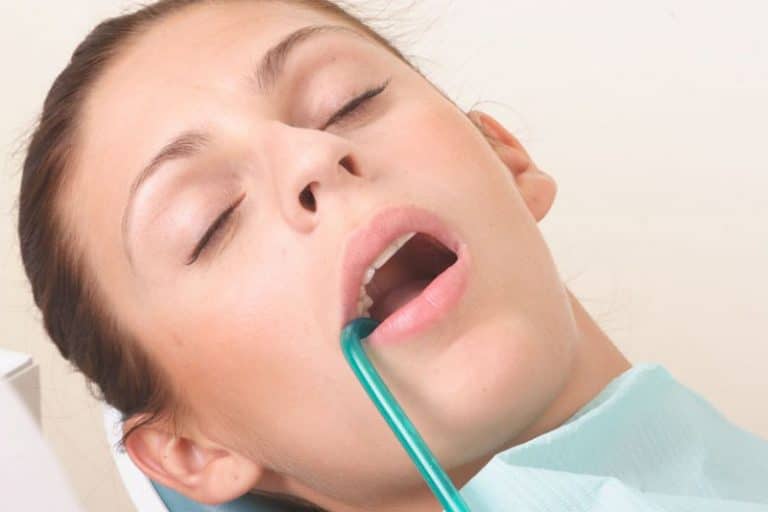
Oral sedation involves taking a prescribed medication, typically a benzodiazepine like triazolam (Halcion), about an hour before your appointment. By the time you arrive, you’ll feel drowsy and deeply relaxed. Some patients become so relaxed they doze off during their procedure, though they can still be awakened if needed.
The level of sedation can be adjusted based on the dosage, ranging from minimal sedation (you’re awake but calm) to moderate sedation (you might slur words and have limited memory of the procedure afterward).
One important note: with oral sedation, you’ll need someone to drive you to and from the appointment. The effects linger for several hours, and you shouldn’t operate a vehicle or make important decisions for the rest of the day.
IV Sedation
For patients with severe dental anxiety or those undergoing extensive procedures, IV sedation provides the deepest level of relaxation while still keeping you conscious. The sedative medication is delivered directly into your bloodstream through an intravenous line, which allows the dentist to adjust the sedation level precisely throughout your procedure.
With IV sedation, most patients enter a twilight state where they’re technically awake but have little to no memory of the procedure afterward. Time seems to pass in an instant. You might remember sitting down in the chair and then suddenly it’s over.
This option requires more preparation and monitoring, and you’ll absolutely need a companion to drive you home. Recovery takes longer than with other methods, and you should plan to rest for the remainder of the day.
Who Can Benefit from Sedation Dentistry
Sedation dentistry isn’t just for people with clinical dental phobia. A surprisingly wide range of patients can benefit from these options.
Patients with general anxiety disorders often find that their everyday anxiety intensifies in medical settings. Sedation can help bridge the gap between knowing they need dental care and actually being able to tolerate it.
People with sensitive gag reflexes struggle with routine dental work because any instrument in the mouth triggers an overwhelming urge to gag. Sedation helps suppress this reflex, making treatment possible.
Those requiring extensive dental work may opt for sedation simply because multiple procedures can be completed in a single visit while they’re comfortably sedated. Instead of spreading treatment across six stressful appointments, everything gets done at once.
Patients with special needs, including certain cognitive disabilities or conditions that make it difficult to sit still for extended periods, often benefit enormously from sedation dentistry.
Individuals with low pain thresholds or those who find that local anesthesia alone doesn’t fully manage their discomfort may find sedation provides the additional relief they need.
And honestly? Even patients without significant anxiety sometimes choose mild sedation simply because it makes the experience more pleasant. There’s no rule that says you have to white-knuckle your way through dental appointments.
What to Expect During Your Sedation Appointment
Walking into your first sedation dentistry appointment, it helps to know exactly what’s coming. Here’s a general overview of the process.
Before your appointment, we’ll conduct a thorough review of your medical history, current medications, and any allergies. This step is crucial because certain health conditions can affect which sedation methods are appropriate. You’ll receive specific instructions about eating and drinking before your appointment, typically, you’ll need to fast for several hours if you’re receiving oral or IV sedation.
On the day of your procedure, arrive on time (or early if you’re taking oral sedation at the office). Wear comfortable, loose-fitting clothing. If you’re receiving anything stronger than nitrous oxide, make sure your designated driver is prepared to wait.
Once the sedation takes effect, you’ll feel calm, drowsy, and detached from any anxiety you walked in with. We’ll monitor your vital signs throughout the procedure, heart rate, blood pressure, oxygen levels, to ensure everything stays within safe parameters.
During the procedure, you may be vaguely aware of what’s happening, but it won’t bother you. Many patients describe feeling like they’re floating or like they simply don’t care about what’s going on. Communication is still possible: you can respond to questions or instructions if needed.
After the procedure, you’ll spend some time in the office recovering before being released. With nitrous oxide, this recovery period is brief. With oral or IV sedation, you’ll need more time, and you absolutely must leave with your companion, not via rideshare or public transportation. Someone who knows you should be watching over you.
Most patients report feeling groggy for the rest of the day, so plan to take it easy. By the next morning, you should feel completely back to normal.
Safety Considerations and Side Effects
One of the most common concerns we hear is: “Is sedation dentistry safe?” The short answer is yes, when administered by properly trained professionals following established protocols.
Dental sedation has an excellent safety record. Dentists who offer sedation must complete additional training and certification beyond dental school, and they’re required to maintain specific emergency equipment and medications in their offices.
That said, no medical procedure is entirely without risk. Potential side effects vary by sedation type:
Nitrous oxide occasionally causes nausea, headaches, or dizziness, though these effects are typically mild and short-lived.
Oral sedation can cause drowsiness that persists for several hours, occasional headaches, and dry mouth. Some patients experience brief memory gaps about the procedure.
IV sedation carries slightly higher risks, including potential reactions at the injection site, prolonged drowsiness, and in rare cases, respiratory complications. This is why continuous monitoring is essential.
Certain patients may not be good candidates for sedation dentistry. These include individuals with severe respiratory conditions like untreated sleep apnea, pregnant women (particularly for oral and IV sedation), people with certain allergies to sedative medications, and those with specific heart conditions.
We always conduct comprehensive health screenings before recommending sedation, because your safety matters more than anything else. If sedation isn’t right for you, we’ll work together to find alternative strategies for managing your anxiety.
Tips for Choosing a Sedation Dentist
Not all dental practices offer sedation, and among those that do, expertise levels vary. Here’s what to look for when selecting a sedation dentist:
Verify credentials and training. Ask specifically about the dentist’s sedation certifications. For IV sedation, look for additional training in conscious sedation or deep sedation techniques. Membership in organizations like the Dental Organization for Conscious Sedation (DOCS) can indicate commitment to this specialty.
Ask about experience. How many sedation procedures does the practice perform monthly? A dentist who routinely administers sedation will be more skilled at adjusting dosages, managing complications, and keeping you comfortable.
Review emergency protocols. The office should have emergency equipment readily available, and the staff should be trained in advanced life support. Don’t hesitate to ask about their safety measures, a reputable practice will be happy to explain.
Evaluate the consultation process. A good sedation dentist will take time to understand your specific anxieties, thoroughly review your medical history, and explain your options without pressure. If a practice seems to rush through these steps, that’s a red flag.
Read reviews from anxious patients. Look specifically for reviews from people who mention dental anxiety. Their experiences will give you insight into how compassionate and accommodating the practice really is.
Consider the overall environment. Does the office feel calm and welcoming? Is the staff patient and understanding? Sometimes, the atmosphere itself can make a significant difference in how anxious you feel.
Conclusion
Dental anxiety is real, it’s common, and it doesn’t have to control your oral health anymore. Sedation dentistry has helped countless patients move past their fears and finally get the dental care they’ve been putting off, sometimes for decades.
Whether you need just a touch of relaxation from nitrous oxide or deeper sedation for more complex procedures, options exist that can make your dental experience genuinely manageable. The key is finding a qualified, compassionate dental team that takes your concerns seriously and prioritizes your comfort as much as your treatment.
If anxiety has been keeping you from the dentist, we encourage you to take that first step: schedule a consultation, share your concerns openly, and explore what sedation options might work for you. Your future self, with healthier teeth and freedom from dental dread, will thank you.
